Families sometimes end up creating three accounts and two duplicate loans to work around something that a single license already covers. If you are lending or borrowing across a few generations, this is the part worth understanding before anyone signs up.
Who owns a loan
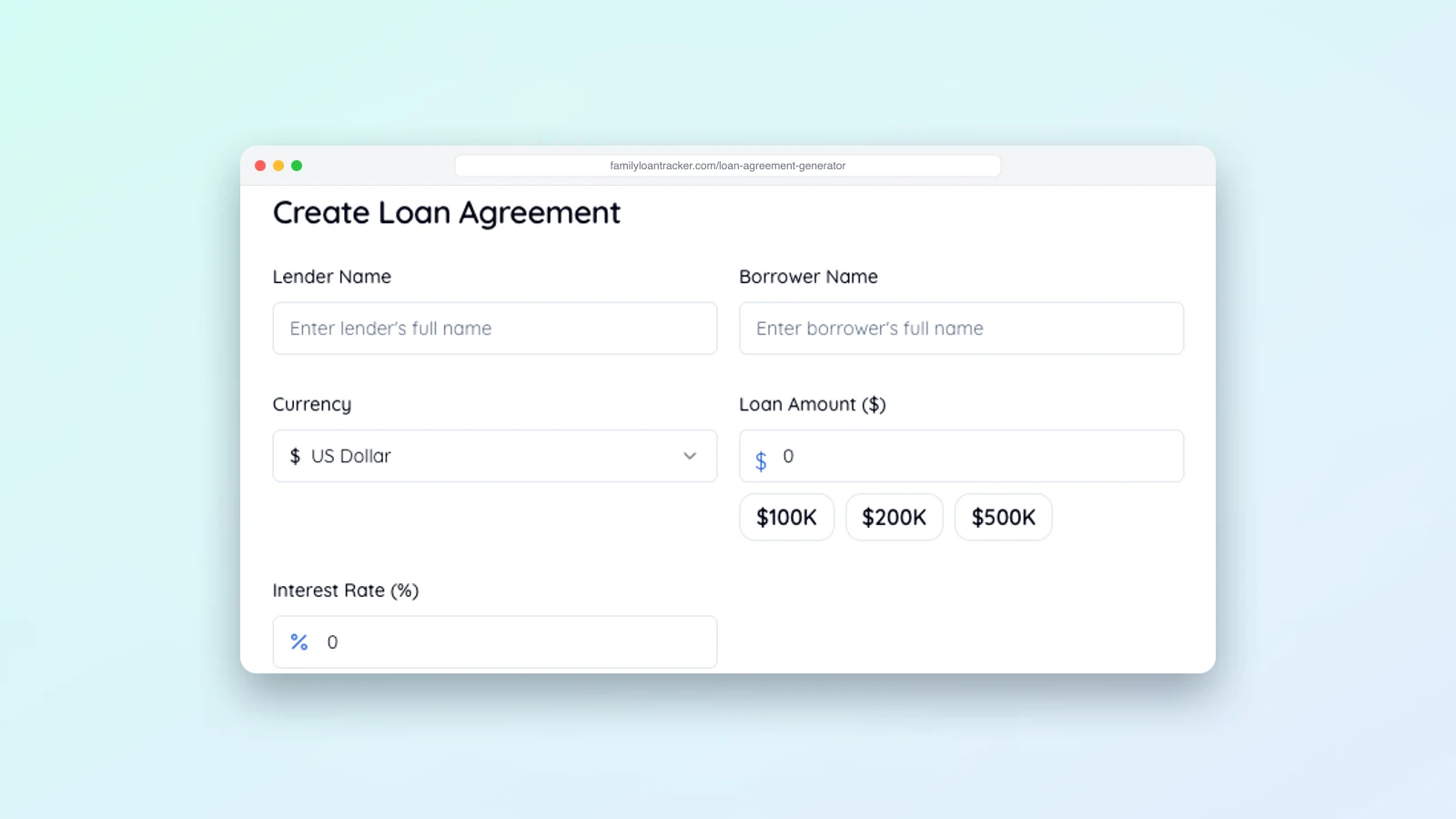
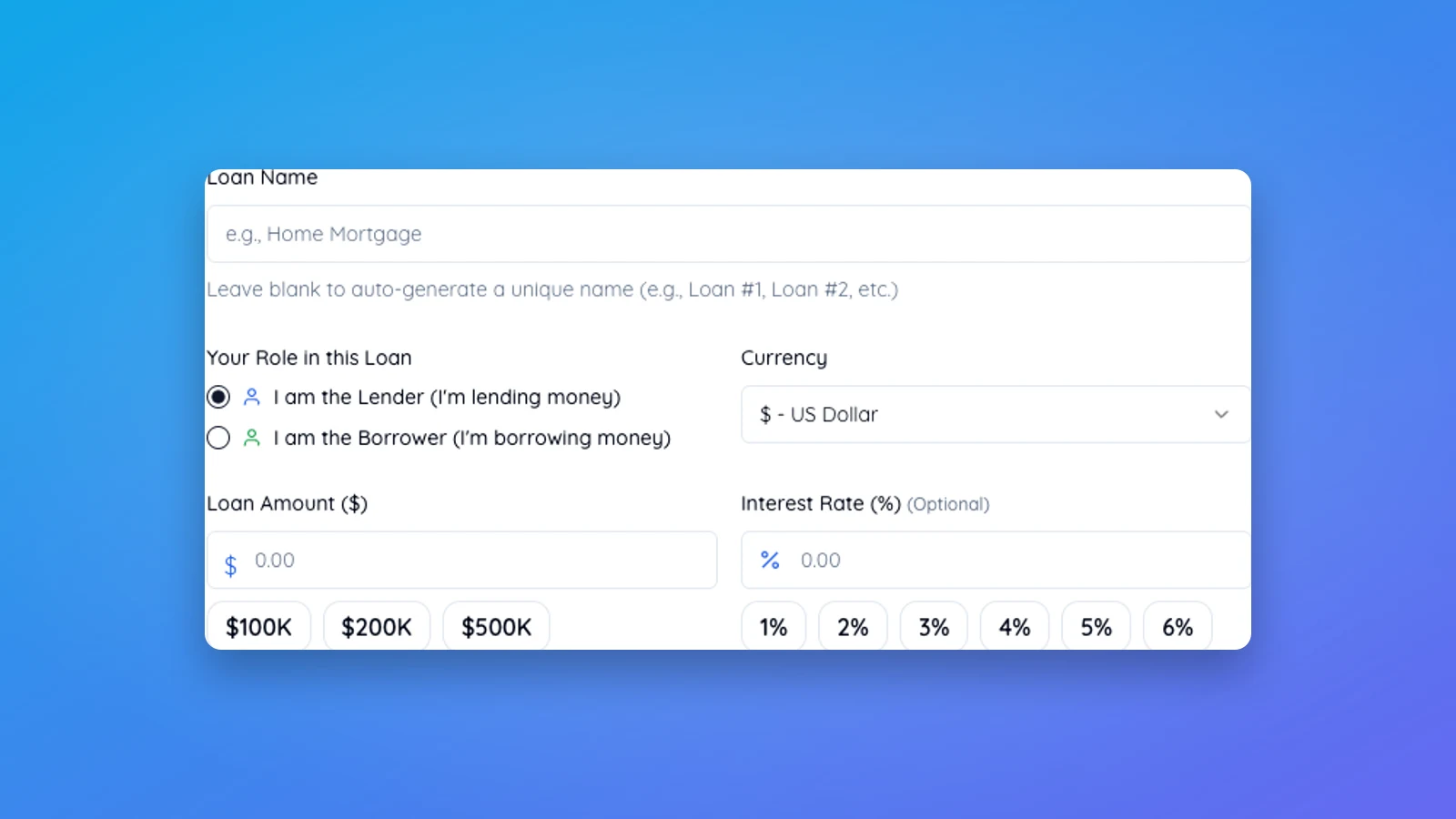
Whoever creates a loan becomes its owner, and picks one of two roles while doing it: lender or borrower. Ownership is not a separate concept from that choice, it is just the creator's role plus a few extra permissions that come with having set the loan up. The owner is the only one who can rename the loan, delete it, invite or remove participants, and change its core terms later.
A parent lending money to an adult child should have the parent create the loan as lender. If the child creates it instead, listing the parent as lender, the child ends up as owner, with the parent unable to edit the loan's terms without asking the child to do it. Pick the role that matches who is actually managing the paperwork, not just who has the money.
One license, everyone invited
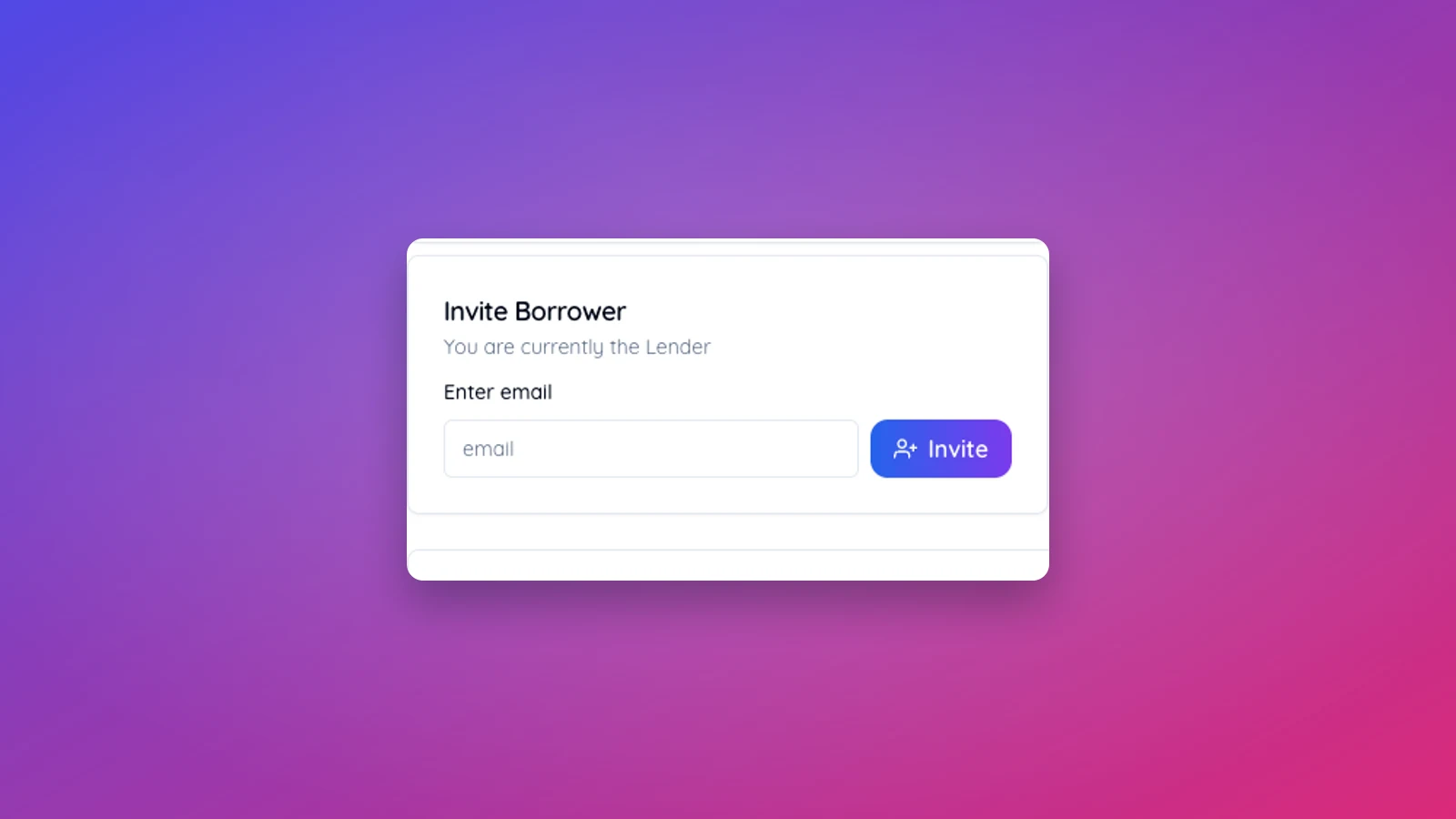
Only the person who creates a loan needs a paid license or an active trial. Once you invite the other party by email, they get a free account with full access to that specific loan: the schedule, the payment history, the charts, exports. They are never asked to pay and never see an upgrade prompt, because your license covers the loan, and everyone attached to it.
This holds across multiple loans too. A parent tracking a loan to each of three children needs one license, not four, as long as the parent is the one creating each loan. The children each get free access to their own loan through the same invite mechanism, on their own free accounts.
Where families get this wrong
The confusion usually starts when more than one generation is involved and it is not obvious who should hit Create Loan. A common pattern: an adult child creates their own loan, invites a parent, the parent then separately creates a second loan for a sibling, and now there are two loans, two owners, and nobody with a full picture of either license status or the whole family's lending. Our guide to lending to adult children covers the family-dynamics side of this; the practical fix is simpler: if you are the one paying, or the one who will be doing most of the day to day tracking, create the loan yourself and invite the other party, rather than accepting an invite to someone else's.
If you picked the wrong role
You are not stuck with it. An owner can swap which participant is lender and which is borrower without recreating the loan, and can also correct the terms if the amount or rate was entered under the wrong account by mistake. What an owner cannot do is transfer ownership itself to someone else. If the wrong person ended up as owner and that needs to change, the loan has to be recreated by the person who should own it, with the original invited as the counterparty instead.